Mayor Prentiss’s book ban
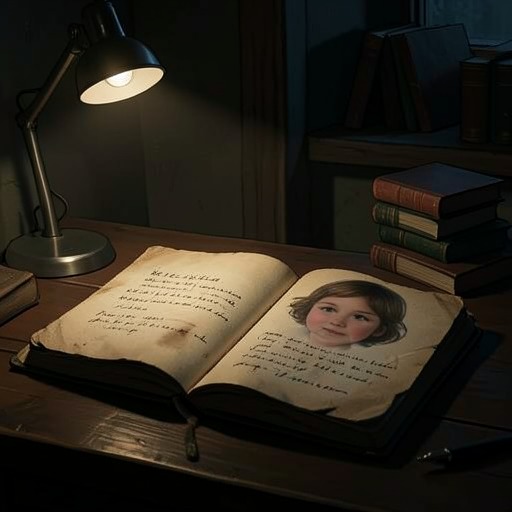
The Knife of Never Letting GoMayor Prentiss’s book ban outlawed books and placed them among the things the Mayor sought to remove from the settlement. Its force appears not only in the prohibition itself but in the books’ physical fate: residents had to burn them, turning control of knowledge into a public act of destruction.
The Ban and Its Context
The ban is recalled alongside a wider dispute about how the settlers should live. Ben had described their desire for a simpler life and an early argument over whether to destroy the fission generators. The generators survived: even after Mayor Prentiss decided to get rid of most other things, they were not destroyed. The contrast places the book ban within a selective program of removal, rather than a complete rejection of technology or material resources. The evidence does not specify the Mayor’s precise rationale for outlawing books.
Books Marked for Burning
The ban had concrete consequences for people who owned books. Mr Tate, remembered as the man who had the most books to burn when Mayor Prentiss outlawed them, gives the policy a domestic measure: a general prohibition becomes a personal burden of surrendering or destroying a collection. The account links the law to burning, though it does not describe the process or establish how completely the books were destroyed.
Significance
The policy makes books a visible target of the Mayor’s rule over what could remain in the settlement. Set against the decision to retain the fission generators, the ban suggests that the effort to simplify life was not applied uniformly: useful infrastructure remained, while books were outlawed and marked for destruction. The evidence establishes the prohibition and its material consequence, but does not say what books contained, how the ban was enforced, or whether any survived.